

Getting older is a natural part of life, but the body does not always stay the same along the way. For men, aging can bring gradual changes that affect everything from muscle strength and energy levels to sleep, skin, and sexual health. These changes do not happen at the same age or in the same way for everyone. Lifestyle, genetics, nutrition, physical activity, and existing health conditions can all play a role. Understanding what may change can make it easier to recognize what is normal and what might deserve a conversation with a healthcare professional.

Muscle Mass May Gradually Decrease
One of the most noticeable changes associated with aging is a gradual loss of muscle mass and strength. This process can begin earlier than many people expect and may become more noticeable later in life. Staying physically active, particularly with regular strength exercises, can help maintain muscle function. Adequate protein intake and overall good nutrition also support the body’s ability to maintain muscle as the years go by.
Hormone Levels Can Shift
Testosterone levels generally decline gradually with age rather than suddenly disappearing. Because testosterone is involved in muscle mass, bone health, sex drive, and other bodily functions, hormonal changes may contribute to some of the differences men notice as they get older. However, tiredness, reduced motivation, or changes in sexual function are not automatically signs of low testosterone. Several factors can cause these symptoms, so persistent concerns are worth discussing with a healthcare professional.
Skin Can Become Thinner and Drier
The skin often changes with age. Men may notice that their skin becomes thinner, drier, or less elastic, while wrinkles and age spots become more visible. Part of this change is related to the body’s gradual reduction in collagen and natural oil production. Protecting the skin from excessive sun exposure, staying hydrated, and using appropriate skin care can help support healthy skin as it ages.
Sleep Patterns May Change
Aging can affect sleep in several ways. Some men may find themselves waking earlier, sleeping more lightly, or waking more frequently during the night. Occasional changes are common, but consistently poor sleep should not simply be dismissed as an unavoidable part of getting older. Sleep problems can sometimes be linked to medications, lifestyle factors, sleep disorders, or other health conditions that can be addressed.
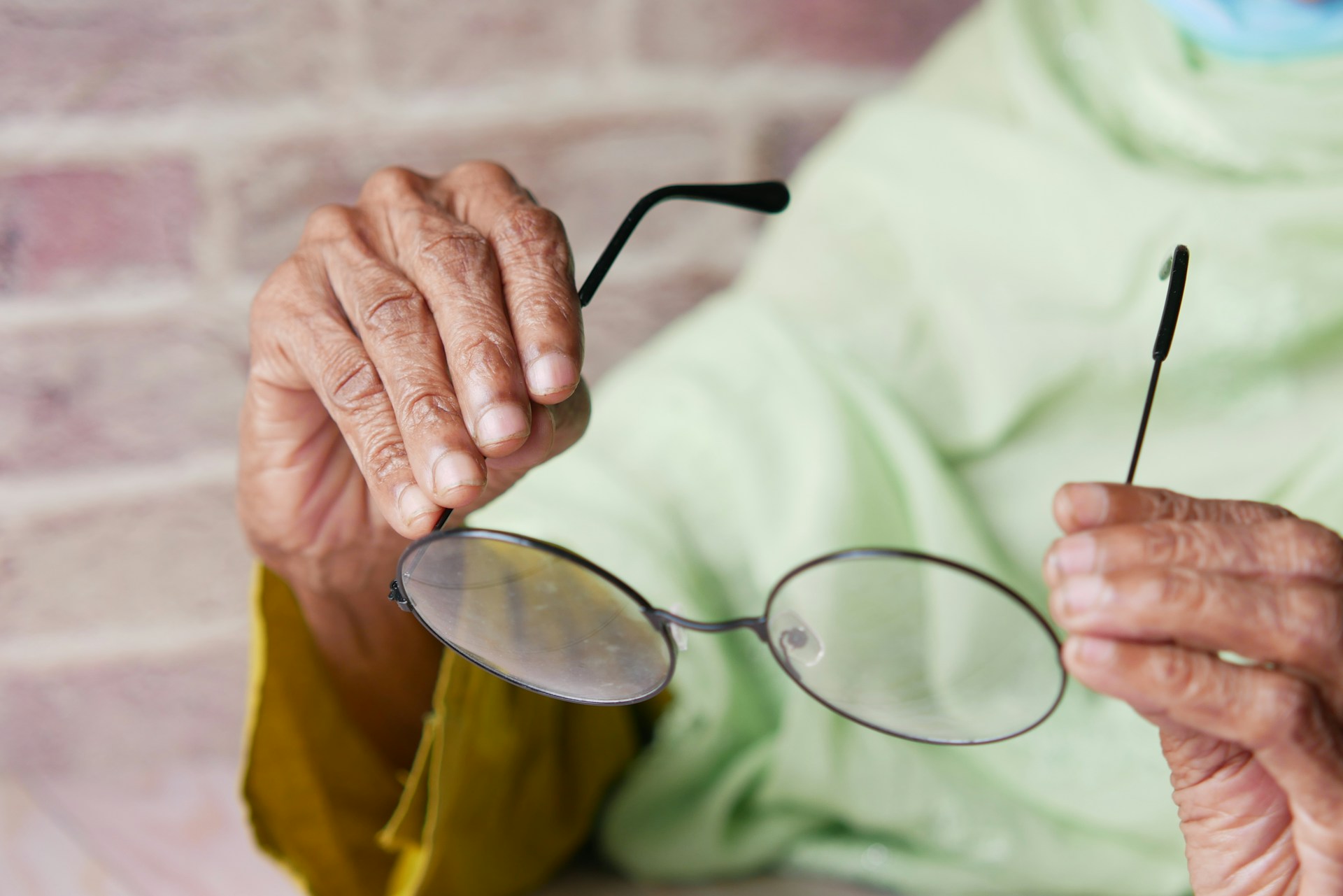
Vision and Hearing May Change
Changes in vision and hearing can become more common with age. Reading small print may become more difficult, and some people may have increasing trouble hearing conversations, particularly in noisy environments. Regular eye and hearing checks can help identify changes early. Needing reading glasses or hearing support is not something to be embarrassed about. Addressing these changes can make everyday life considerably easier.
Heart and Blood Vessel Changes Can Occur
The cardiovascular system also changes with age. Blood vessels can become less flexible, and the risk of conditions such as high blood pressure and cardiovascular disease generally increases as people get older. This makes everyday habits increasingly important. Regular physical activity, a balanced diet, avoiding tobacco, maintaining a healthy weight, and keeping up with routine health checks can all support cardiovascular health.
Sexual Health May Change
Changes in sexual health are another part of aging that many men may notice. Sexual desire, erectile function, and the time needed for arousal or recovery can change over the years. Although some changes can be associated with normal aging, erectile difficulties can also be connected to medications, cardiovascular problems, diabetes, stress, or other health conditions. Persistent changes are worth discussing with a healthcare professional rather than simply assuming they are unavoidable.
Bone Health Becomes More Important
Bone mass can decrease with age, and men can also develop weaker bones. This may increase the risk of fractures, particularly in later life. Weight-bearing activity, strength training, adequate calcium and vitamin D, and other healthy lifestyle habits can support bone health. Men with specific risk factors may also benefit from discussing bone health and screening with their healthcare provider.
Aging can bring many gradual changes to a man’s body, but getting older does not mean giving up on health and vitality. Staying active, eating well, getting enough rest, and keeping up with regular healthcare can help support the body through different stages of life. Most importantly, noticeable or persistent changes should not automatically be blamed on age. Sometimes they are signs that deserve proper medical attention.